

Best Steps After Data Breach for Businesses
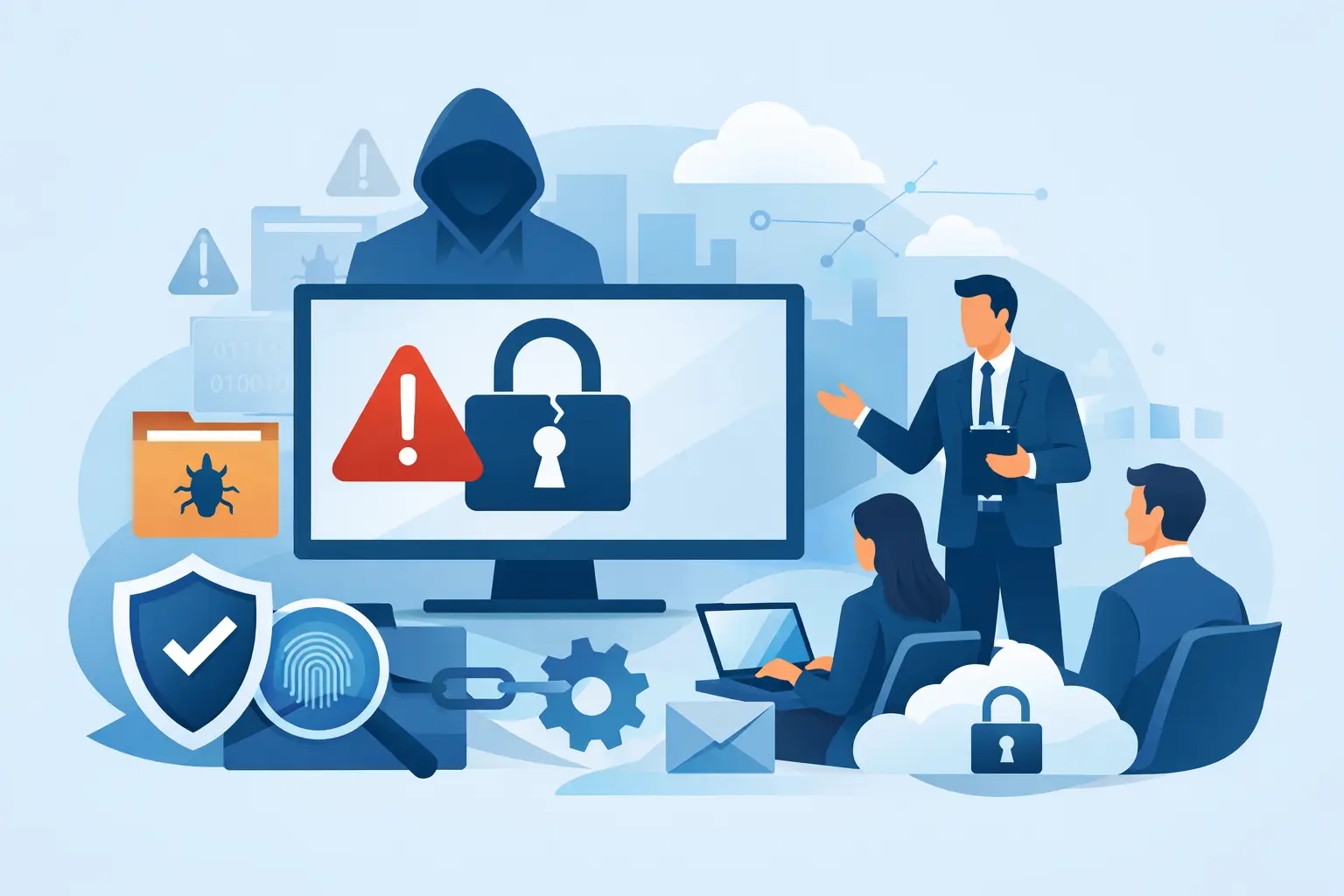
When a data breach comes to light, the first few hours often shape the legal, financial and reputational fallout. The best steps after data breach are not about rushing to say something reassuring. They are about containing the problem, preserving evidence and making careful decisions early, before the situation becomes harder to control.
For many businesses, the first mistake is treating a breach as only an IT issue. It rarely is. A breach can affect contractual obligations, privacy compliance, staff management, customer trust, insurance notifications and, in some cases, regulatory reporting. That is why a measured response matters.
The best steps after data breach start with containment
The immediate priority is to stop further loss. That may mean isolating affected systems, disabling compromised accounts, forcing password resets, removing malicious access or temporarily taking part of your network offline. The right response depends on how the breach occurred. A ransomware incident will call for different technical decisions than an email compromise or an accidental disclosure by staff.
Containment, however, should not destroy evidence. Businesses sometimes wipe devices, delete logs or restore systems too quickly in an attempt to get back to normal. That can make it harder to understand what happened, when it happened and whose information was exposed. If legal action, insurance claims or regulatory scrutiny follow, those gaps can matter.
In practical terms, your IT team or cyber security provider should work to stabilise systems while preserving key records. That includes server logs, email records, access histories, screenshots, copies of suspicious messages and notes of actions taken. Time stamps and internal communications can become important later.
Confirm what happened before making broad statements
Not every suspected incident turns out to be a reportable breach, but every suspected incident should be assessed seriously. Businesses often feel pressure to give immediate answers to customers, staff or partners. The difficulty is that early assumptions are often wrong.
At this stage, it helps to establish the basic facts. Was there unauthorised access, unauthorised disclosure or loss of information? What kinds of data were involved? Did the information include personal details, financial records, identification documents, health information or commercially sensitive material? Is the incident ongoing, or has it been contained?
This assessment should be fast but not careless. If your business communicates too early and gets the facts wrong, it can create more legal risk rather than less. If it waits too long, that can also cause harm. The balance is in prompt investigation supported by proper records.
Identify the scope of the breach
Scope matters because the response should match the actual risk. A breach involving a single staff inbox is not the same as a system-wide compromise affecting payroll, customer files and supplier accounts. You need to know whose information may have been affected, how many individuals are involved, whether the data was encrypted, and whether there is evidence the information has been copied, published or misused.
That level of detail will affect decisions about notifications, remediation and legal exposure. It can also influence whether the matter is likely to trigger reporting obligations under Australian privacy law.
Understand your legal and regulatory obligations
One of the best steps after data breach is getting legal advice early, particularly where personal information may be involved. Australian businesses covered by the Privacy Act may need to consider the Notifiable Data Breaches scheme. Broadly speaking, if an eligible data breach is likely to result in serious harm, notification obligations may arise.
Whether serious harm is likely depends on the circumstances. The type of information, whether it is protected, who may have obtained it, and the nature of the risk all matter. There is no sensible one-size-fits-all answer.
Beyond privacy law, other obligations may apply. Contracts with clients, suppliers, technology providers or government bodies may contain notice requirements. Regulated industries may have additional reporting expectations. Insurers often require prompt notice as a condition of cover. If employee information is involved, workplace issues may also arise.
This is where a coordinated response is valuable. Legal advice can help you assess whether notification is required, what should be said, when it should be said and how to reduce avoidable admissions or inconsistencies.
Communicate clearly, but only when you have substance
A poor communication response can damage trust almost as much as the breach itself. People affected by an incident usually want direct answers to three questions: what happened, what does it mean for me, and what are you doing about it?
Your communications should be honest, practical and consistent. Avoid vague statements that sound reassuring but say very little. If certain facts are still being investigated, say so plainly. If individuals need to take protective steps, explain those steps in simple language.
Depending on the incident, affected individuals may need to monitor accounts, change passwords, watch for scams, replace compromised credentials or contact their bank. Businesses should also brief internal staff so customer-facing teams are not left guessing or giving contradictory information.
Internal communication matters too
A breach often creates confusion inside a business. Staff may not know whether they should speak to customers, respond to media enquiries or continue using certain systems. Without direction, well-meaning employees can make matters worse by speculating, sharing incorrect information or failing to follow containment steps.
Appoint a small response group and keep authority lines clear. Usually that will include senior management, IT or cyber security support, legal advisers and someone responsible for customer communications. Not every staff member needs every detail, but the people handling the issue need a common understanding of the response plan.
Preserve evidence and document every decision
In the middle of a breach response, documentation can feel secondary. It is not. A clear written record of what was discovered, when it was discovered, who was notified and what actions were taken can become critical later.
These records assist with legal advice, regulatory dealings, insurance claims and any dispute about whether your business responded reasonably. They also help if you need to investigate staff conduct, vendor failures or third-party access issues.
The point is not to produce perfect paperwork during a crisis. It is to keep an accurate running record. Even brief contemporaneous notes are better than trying to reconstruct the timeline weeks later.
Reduce further harm before returning to business as usual
A business under pressure will naturally want systems restored as quickly as possible. Sometimes that is appropriate. Sometimes it creates a second problem because the root cause has not been addressed.
Before moving into normal operations, consider whether credentials need to be reset, access permissions reviewed, software patched, multi-factor authentication strengthened, external access limited or risky processes changed. If the breach arose from human error, staff training may be part of the immediate response, not just a future improvement.
It is also worth reviewing whether third-party providers played a role. Many breaches involve cloud services, outsourced functions, managed service providers or software tools that sit outside the business itself. Responsibility can be shared, but that does not remove your own need to respond properly.
The best steps after data breach include reviewing your contracts and insurance
Once the immediate incident is under control, businesses should review the contracts that sit around the event. Client agreements, supplier contracts, confidentiality obligations and technology service terms may all become relevant. You may need to assess liability, indemnities, notice periods and rights against third parties.
Insurance should be examined early, not as an afterthought. Cyber policies can include strict notification conditions and approved panel requirements for legal, forensic or crisis response support. Delayed notice can sometimes create avoidable disputes with insurers.
This is another reason legal support can be useful from the outset. A breach response is rarely confined to one area of law. Privacy, commercial, employment and dispute issues can intersect quickly.
After the incident, focus on lessons that actually change practice
The post-incident review should be more than a box-ticking exercise. Look closely at what allowed the breach to happen, what delayed detection, what worked in the response and where the business was exposed by unclear roles or outdated processes.
For some businesses, the lesson is technical. For others, it is procedural. Perhaps staff had too much access, sensitive files were retained too long, contractors were insufficiently supervised, or no one was clearly responsible for breach reporting. The right fix depends on the actual weakness.
A calm review can also strengthen customer trust. Organisations do not build confidence by pretending breaches never happen. They build confidence by responding responsibly and improving meaningfully afterwards.
For businesses facing uncertainty after a cyber incident, the most sensible path is usually the same: act quickly, verify the facts, protect affected people and get advice before small decisions become expensive ones. In stressful moments, a clear and careful response does more than limit damage. It helps protect the future of the business and the people who rely on it.