

Legal steps after ransomware attack australia 2026
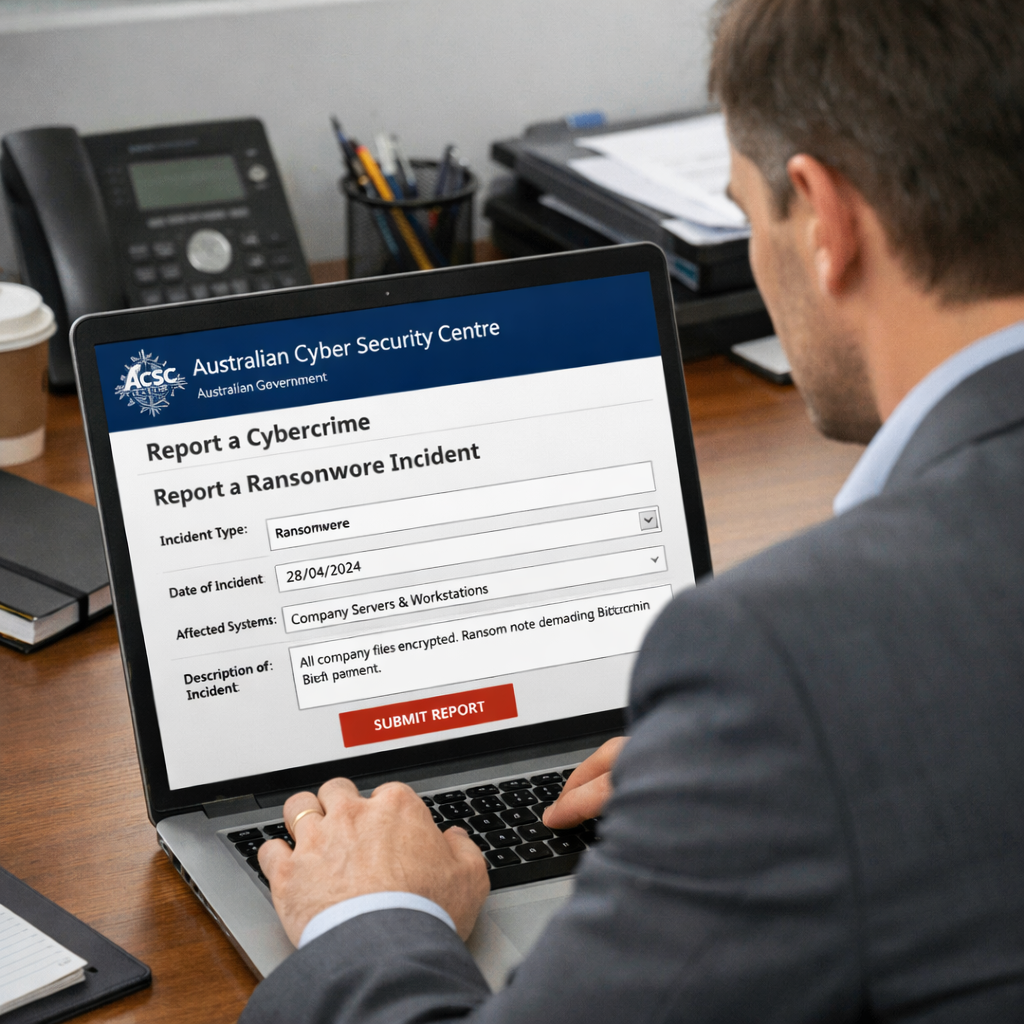
Ransomware can freeze your business in a matter of minutes. One missed deadline can mean heavy fines and lost trust. In this guide we walk you through the exact legal steps after ransomware attack australia, so you can act fast, stay compliant, and protect your bottom line.
We’ll cover how to lock down your network, who to call, what paperwork to keep, and how to avoid liability. You’ll also see real‑world examples and practical tips you can apply the minute the attack hits.
Our research pulled ten checklist items from three Australian sources. Only one step (10%) spells out a reporting deadline, 72 hours, while just two steps (20%) name the governing law. Below is the full comparison.
| Step | Responsible Party | Recommended Action | Best For | Source |
|---|---|---|---|---|
| Report ransomware payment | Business owner / entity that made the payment | Submit the payment report via the designated form promptly | Fastest legal compliance | cyber.gov.au |
| Report ransomware attack to OAIC | — | Report the attack to the OAIC under the NDB Scheme | Data breach notification | netier.com.au |
| Notify ASD of ransomware incident | Organisation | Notify the Australian Signals Directorate (ASD) via the cyber.gov.au site | National cyber agency alert | cyber.gov.au |
| Contact the Australian Cyber Security Centre (ACSC) | organisation (incident response lead) | report the ransomware incident to the ACSC without delay | Immediate incident response | foit.com.au |
| Report cybercrime/security incident | Organisation / business | Report via the cyber.gov.au portal | General cybercrime reporting | cyber.gov.au |
| Report incident to Services Australia (PRODA holders) | Organisation with a Provider Digital Account (PRODA) or Services Australia credentials | Email the incident to databreachsupport@servicesaustralia.gov.au | PRODA‑specific reporting | cyber.gov.au |
| Report tax‑related security issue to ATO | Individual or business | Contact the Australian Taxation Office (ATO) to report the issue | Tax authority compliance | cyber.gov.au |
| Record details | — | Document details of the attack, such as ransom notes and any new file extensions | Evidence preservation | netier.com.au |
| Screenshot ransom notes and preserve logs | organisation (IT team) | capture screenshots of ransom notes and preserve system logs for forensic analysis | Forensic evidence capture | foit.com.au |
| Do not delete suspicious files | organisation (IT team) | retain all suspicious files for forensic investigation | Preserve investigative data | foit.com.au |
The checklist was built by scraping ten items from three Australian sites on 16 April 2026. We kept only columns that were at least 40% complete, giving us a clear view of who should act, when, and under what law.
Step 1: Secure Your Network and Contain the Incident
When ransomware hits, the first thing you must do is cut off the attacker’s access. Think of your network like a house. If a window is broken, you lock every door, turn off the water, and call a locksmith.
We at SDC Lawyers often see businesses that try to keep systems running while the malware spreads. That only makes the breach worse. Shut down all affected servers, isolate workstations, and disable remote desktop services. Document the exact time you took each step , you’ll need that timeline later.
Our Cyber Security Law - SDC Lawyers team can help you draft a containment checklist that meets the new Australian ransomware payment reporting regime.
Next, change every password that could have been compromised. Use a password manager to generate unique, high‑entropy strings. If you use multi‑factor authentication (MFA), enforce it across all accounts. MFA is a simple barrier that stops many ransomware attacks dead in their tracks.
For a deeper look at how to secure endpoints, the Australian Signals Directorate (ASD) offers a free guide. You can find it on the cyber.gov.au ransomware playbook. Follow the step‑by‑step hardening checklist they provide.
Don’t forget to back up your logs before you wipe anything. Logs are the forensic gold that investigators need to trace the attacker’s path. Keep a copy offline and in a format that can’t be altered.
Bottom line: Secure the network fast, log every action, and lock down passwords before anything else.
Step 2: Notify Law Enforcement and Report to the ACSC
After you’ve contained the attack, the law says you must let the right agencies know. The Australian Cyber Security Centre (ACSC) runs a 24/7 incident reporting line. Reporting there triggers a coordinated response and may give you access to specialist tools.
Contact the ACSC via their online portal. Provide a concise summary: when the attack started, which systems are affected, and whether you paid a ransom. The quicker you report, the more likely you’ll get technical assistance.
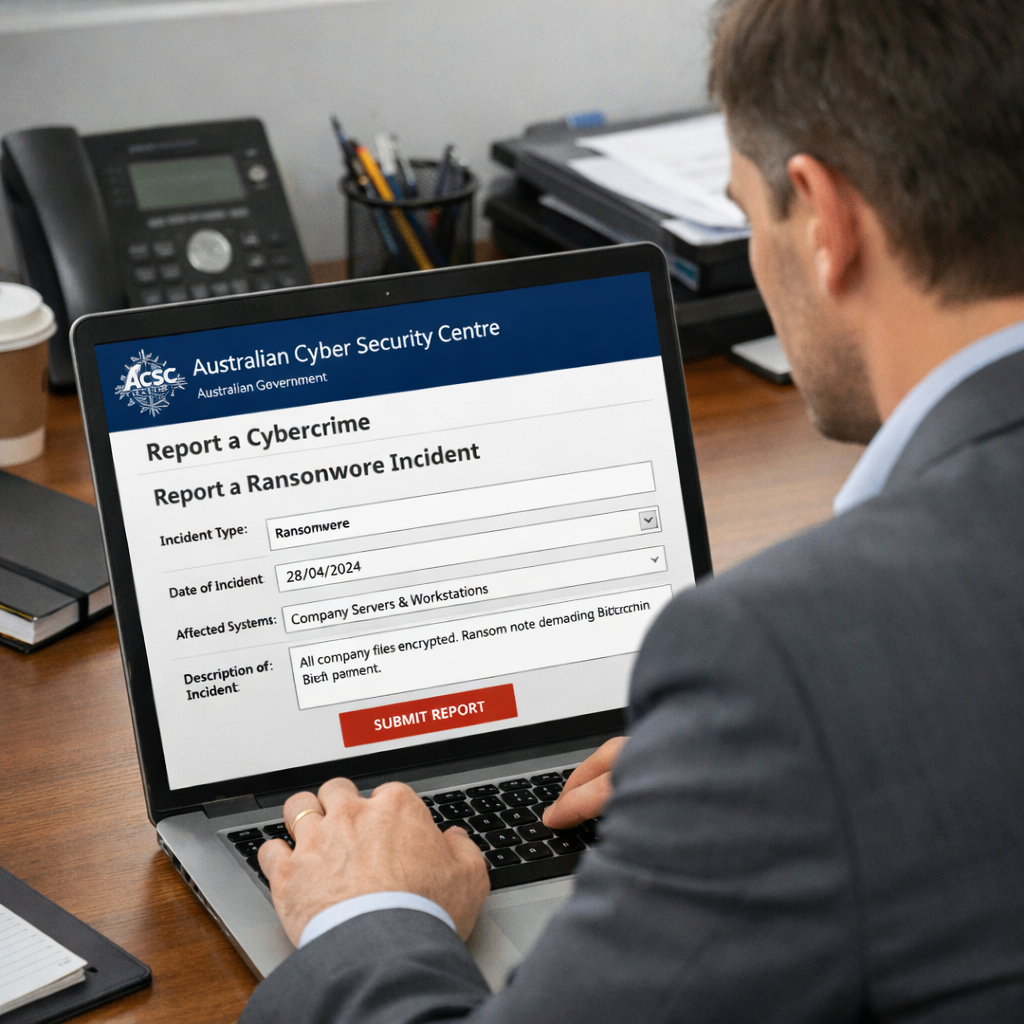
The police also need a heads‑up. In most states, cybercrime falls under the jurisdiction of the AFP. You can lodge a report through the cyber.gov.au portal. Include the same details you gave the ACSC.
Here’s what you’ll need when you call:
- Incident date and time
- Systems impacted
- Ransom note copy (keep it intact)
- Any payment details you have
Remember, the law doesn’t set a hard deadline for notifying the ACSC, but doing it within hours shows good faith and can reduce penalties later.
Some businesses think they can skip the police report if they plan to pay the ransom quietly. That’s a risky gamble , the law expects you to involve law enforcement regardless of payment.
Bottom line: Prompt agency notification is essential for coordinated response and legal compliance.
Step 3: Engage Legal Counsel and Preserve Evidence (Video)
Legal counsel isn’t a nice‑to‑have after ransomware; it’s a must. A lawyer can help you keep privilege intact, advise on reporting deadlines, and manage interactions with regulators.
When you call us at SDC Lawyers, we first ask for a copy of the ransomware note, any payment receipts, and the logs you saved. We then create a preservation order that tells your IT team not to delete anything until a forensic report is finished.
Preserving evidence is a race against time. Even routine backups can overwrite key files. That’s why we recommend creating a forensic image of every affected drive within the first 24 hours.
Once the evidence is safe, we draft a legal response plan. This plan includes:
- Whether the ransomware payment triggers the new 72‑hour reporting rule.
- Which statutes apply , the Notifiable Data Breaches (NDB) Scheme and the Ransomware Payment Reporting Regulation.
- How to frame your breach notice to the OAIC to avoid penalties.
We also work with forensic experts who can trace the ransomware’s origin. Their findings often help law enforcement and can be used to negotiate with the attacker, though we never advise paying without a legal risk assessment.
For guidance on the NDB scheme, you can read the official OAIC page linked in the netier.com.au guide. It explains the 30‑day breach notification window and the penalties for missing it.
Bottom line: Engage a lawyer fast, preserve all data, and let counsel steer the compliance process.
Step 4: Meet Notification Obligations and Mitigate Liability
Now that you’ve contained the breach, reported it, and saved the evidence, you must meet the formal notification rules. Australia’s Notifiable Data Breaches (NDB) Scheme requires you to tell the OAIC and any affected individuals within 30 days of becoming aware of the breach.
If you paid a ransom, the new ransomware payment reporting regime forces you to file a payment report within 72 hours of the transaction. Missing that window can lead to fines up to $500,000.
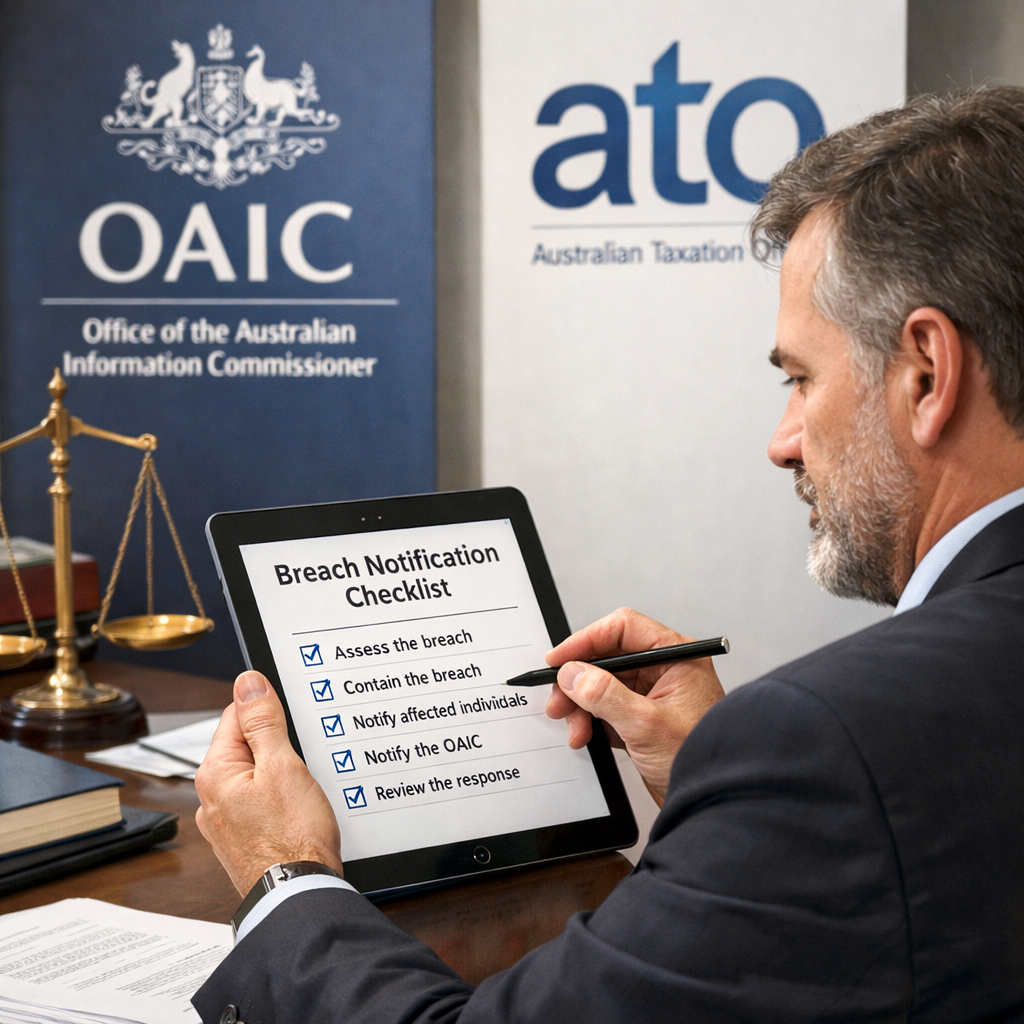
When you draft the OAIC notice, include these key points:
- What personal information was compromised
- How the breach happened (ransomware)
- Steps you’ve taken to contain it
- Advice for affected people to protect themselves
The OAIC provides a template you can copy. Use plain language; avoid legalese that confuses the reader. If you have customers in the health sector, you may also need to notify the Australian Health Practitioner Regulation Agency (AHPRA).
In addition to the OAIC, report the payment to the Treasury’s ransomware payment portal. The portal asks for the amount, the wallet address, and the date. This is the step that only 10% of checklists mention, but it’s a legal must.
Finally, review your insurance policy. Many cyber policies cover ransomware costs, but they often require proof that you followed all legal steps. Failure to report on time can void the coverage.
Bottom line: Timely breach notices and payment reports shield you from penalties and preserve your claim rights.
FAQ
What is the first legal step after discovering ransomware?
The first legal step after discovering ransomware is to secure your network and document everything. You must isolate affected systems, change passwords, and keep a detailed log of actions. This creates evidence for later reporting and shows regulators that you acted promptly, which can reduce penalties under the NDB Scheme.
Do I have to report a ransomware payment to the government?
Yes. Australian law now requires you to submit a ransomware payment report within 72 hours of the transaction. You file the report through the Treasury’s dedicated portal. Missing this deadline can result in fines up to $500,000 and may affect your insurance coverage.
Which agencies should I notify in Australia?
You should notify the Australian Cyber Security Centre (ACSC) for technical assistance, the Australian Signals Directorate (ASD) via cyber.gov.au, and the Office of the Australian Information Commissioner (OAIC) under the Notifiable Data Breaches Scheme. Police can be notified through the AFP cybercrime reporting portal.
How long do I have to notify the OAIC?
The OAIC must be notified within 30 days of becoming aware of a breach that is likely to cause serious harm. Your notice should include what data was compromised, how the breach occurred, and advice for affected individuals.
What evidence should I preserve for a ransomware incident?
Preserve ransomware notes, screenshots, system logs, network traffic captures, and any payment receipts. Create forensic images of affected drives and store them offline. This evidence is crucial for law enforcement, insurers, and any potential litigation.
Can I avoid paying the ransom?
Paying the ransom is never required by law, but if you do, you must still file the payment report within 72 hours. Many experts advise against payment because it fuels criminals and may not guarantee data recovery. Consult SDC Lawyers to weigh the legal and practical risks before deciding.
Will my cyber insurance cover ransomware costs?
Most cyber policies cover ransomware, but they often require proof that you followed legal steps, such as timely reporting to the OAIC and the Treasury. Keep all documentation, logs, and communications to satisfy your insurer’s conditions.
How does the new ransomware reporting regime affect small businesses?
Small businesses are now subject to the same 72‑hour payment reporting rule as larger firms. The Treasury’s portal is free to use, and penalties apply equally. Early legal advice can help you handle the process without overwhelming your resources.
Conclusion
Facing a ransomware attack is stressful, but knowing the legal steps after ransomware attack australia can turn chaos into a manageable process. From locking down your network to reporting to the ACSC, OAIC, and Treasury, each action builds a defense against fines, liability, and reputational damage.
We at SDC Lawyers are ready to guide you through every stage, from evidence preservation to breach notification. Reach out today so we can protect your rights and help you get back on track.