

Temporary Visa Cancellation Help in Australia
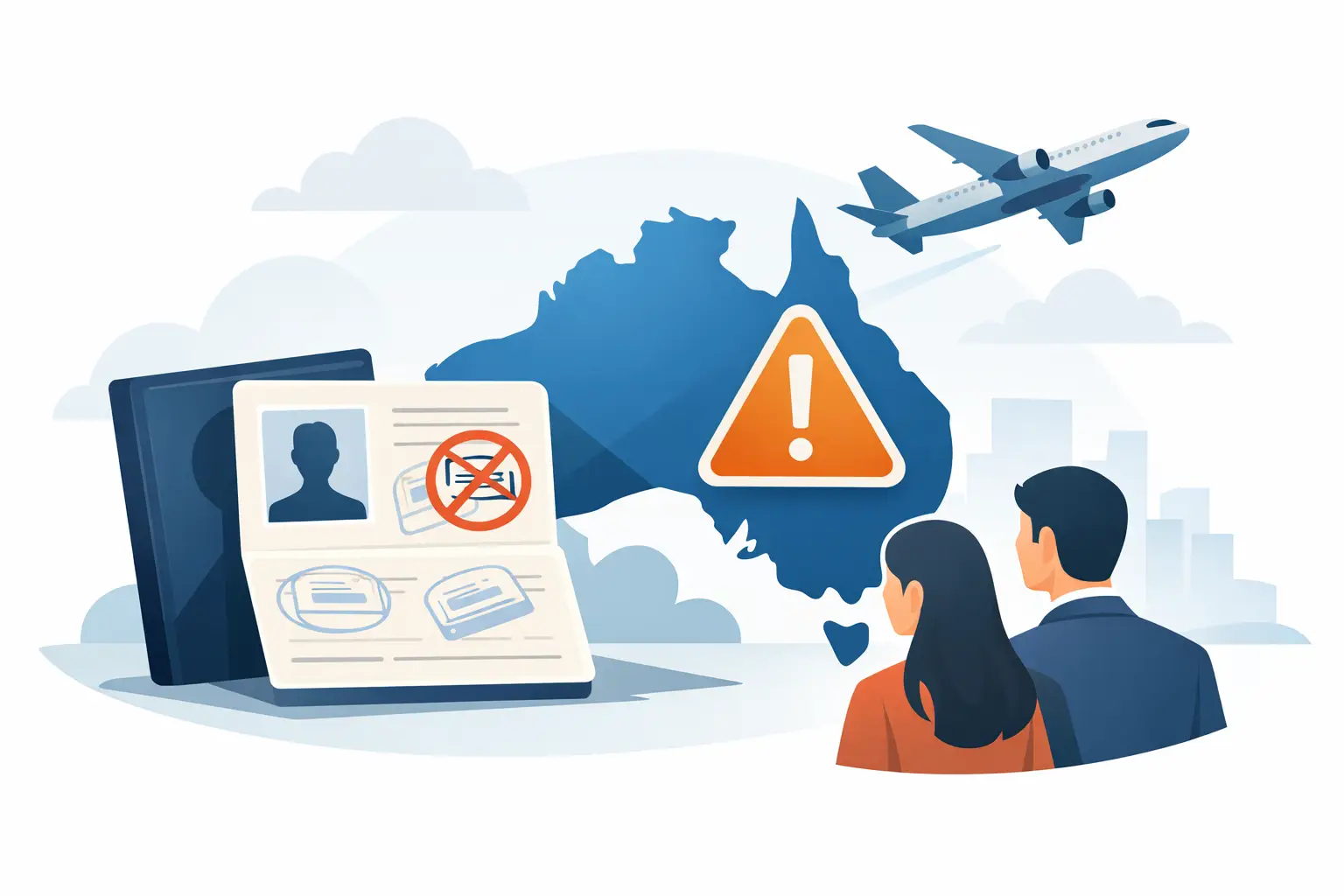
A visa cancellation notice can turn an ordinary day into a crisis. One email, one letter, or one conversation at the airport can leave you asking whether you can stay in Australia, work, study, or return to your family. If you need temporary visa cancellation help, the most useful step is to act early, get clear advice, and avoid making rushed decisions that limit your options.
What temporary visa cancellation can mean
Temporary visa cancellation is not one single process. The reason for cancellation, the type of visa you hold, and where you are when the decision is made all affect what happens next. For some people, the issue starts with an allegation that a visa condition has been breached. For others, it may relate to character concerns, incorrect information in an application, changes in circumstances, or compliance action by the Department.
The practical effect can be immediate. A cancelled visa can affect your lawful status, your right to work, access to Medicare in some cases, travel plans, and future visa applications. In some situations, it may also expose you to detention or removal from Australia. That is why timing matters. Delays can reduce the options available to respond, seek revocation, or apply for review.
Common reasons people seek temporary visa cancellation help
Many clients assume cancellation only happens after a serious criminal matter. That is not always the case. A temporary visa may be at risk if the Department believes a visa condition has been breached, if there are concerns about bogus documents or misleading information, or if a person no longer meets the requirements on which the visa was granted.
Character issues can also arise even before a conviction is finalised. Police charges, past offending, association concerns, or adverse information from another agency may trigger serious consequences. In other matters, the problem is less dramatic but still significant, such as work restrictions on a student visa, enrolment issues, or concerns about sponsorship compliance.
Each case turns on its facts. Two people with the same visa subclass can face very different outcomes depending on their history, supporting evidence, and whether they respond properly to the Department.
First steps after a cancellation notice
The first priority is to read the notice carefully. Do not rely on what a friend says happened in their case or on general advice from social media. The notice usually sets out the legal basis for the decision, the date it took effect, and whether there is any right to seek revocation or merits review. Missing one line in that document can be costly.
The next step is to confirm your current status. In some matters, a bridging visa may be relevant. In others, there may be strict deadlines to challenge the decision. Waiting to see what happens can make the position worse, especially if you become unlawful.
You should also gather documents early. This may include the cancellation notice, passport, prior visa grant letters, court papers if relevant, employment records, proof of study, relationship documents, medical evidence, and any material that explains your circumstances. Good evidence does not guarantee success, but weak or incomplete evidence can undermine an otherwise strong case.
Temporary visa cancellation help is often time-sensitive
One of the hardest parts of these matters is that people are under pressure while trying to understand unfamiliar legal language. Deadlines can be very short. Some pathways are only available if action is taken within a set period, and that period may start from when the decision is notified, not from when you finally get around to reading it properly.
That is where legal advice can make a real difference. Effective temporary visa cancellation help is not just about filling in forms. It involves identifying the correct pathway, checking whether the decision was made under the right power, understanding what evidence carries weight, and preparing submissions that address the legal issues directly.
A rushed response that simply says the cancellation is unfair is rarely enough. Decision-makers generally need to see relevant evidence and a clear explanation of why discretion should be exercised in your favour, or why the decision should be set aside if review rights exist.
What a lawyer will usually assess
A lawyer will usually start with the basics, but those basics matter. What visa did you hold? Has it already been cancelled, or have you only received a notice of intention to consider cancellation? Are you in Australia or offshore? Do you have review rights? Is there any risk of detention? Are there family members whose visas may also be affected?
From there, the focus shifts to strategy. In some cases, the strongest argument is factual. The Department may have misunderstood your work history, study load, travel record, or personal circumstances. In other cases, the argument is legal, such as whether the correct process was followed, whether procedural fairness was provided, or whether the discretion was exercised properly.
There are also situations where the broader consequences matter. If cancellation would separate parents from children, disrupt long-term employment, stop medical treatment, or place someone at risk in their home country, those issues may be highly relevant. They need to be presented carefully and supported by evidence, not just asserted.
Review and revocation - what changes from case to case
Not every cancelled visa follows the same path. Some people may be able to seek revocation of a cancellation decision. Others may have access to merits review through the Administrative Review Tribunal. In some matters, judicial review may become relevant, but that is not the same as a fresh reconsideration of the facts.
This is where many people become confused. A review body may be able to reconsider the merits of a case, but a court generally looks at legal error rather than whether the outcome felt harsh. That distinction affects what evidence is useful and what arguments should be made.
It also affects timing and expectations. Sometimes a prompt, well-prepared response can stabilise the situation. In other matters, there may be no quick fix, and clients need practical advice about lawful status, future visa options, and immediate personal risks.
Mistakes that can hurt your case
The most common mistake is doing nothing because the situation feels overwhelming. The second is responding emotionally without addressing the real issues in the notice. The third is giving inconsistent information across forms, statements, and interviews.
People also damage their case by hiding facts from their lawyer. If there has been a charge, a prior refusal, cash work, enrolment problems, or issues in a relationship, it is far better for your legal team to know early. Surprises are harder to manage once the Department raises them first.
Another mistake is assuming a migration matter exists in isolation. Criminal, family, and employment issues can all affect a visa cancellation matter. A person dealing with domestic violence allegations, parenting disputes, or a workplace investigation may need legal advice that considers the overlap between those problems rather than treating them separately.
Why tailored advice matters
Temporary visa cancellation matters are rarely solved by a standard template. A student visa holder facing attendance issues needs a different response from a worker accused of breaching visa conditions. A parent with Australian citizen children may need detailed evidence about family impact. Someone with a character issue may need careful submissions about conduct, rehabilitation, risk, and community ties.
That is why tailored legal support matters. A dependable lawyer will explain your position in plain language, tell you where the risks are, and help you understand not just the strongest arguments but the likely weak points as well. Clear advice is especially important when the answer is not straightforward and the honest position is that it depends.
For clients across Sydney, including multicultural communities where English may not be the first language, accessible advice can reduce confusion at a time when every day matters. SDC Lawyers approaches these matters with a focus on practical guidance, careful preparation, and support that is responsive to the pressure clients are under.
What to do now if your visa is at risk
If you have received a cancellation notice, or you believe your temporary visa may be cancelled, do not wait for the problem to sort itself out. Keep every document, check the date of notification, avoid guessing about your rights, and get legal advice as soon as possible. Early action does not guarantee the outcome you want, but it can preserve options that are otherwise lost.
When your right to stay in Australia is uncertain, clarity matters more than comfort. The right legal advice can help you understand where you stand, what can still be done, and how to move forward with a plan that protects your interests as much as possible.