

What Happens After Police Charge?
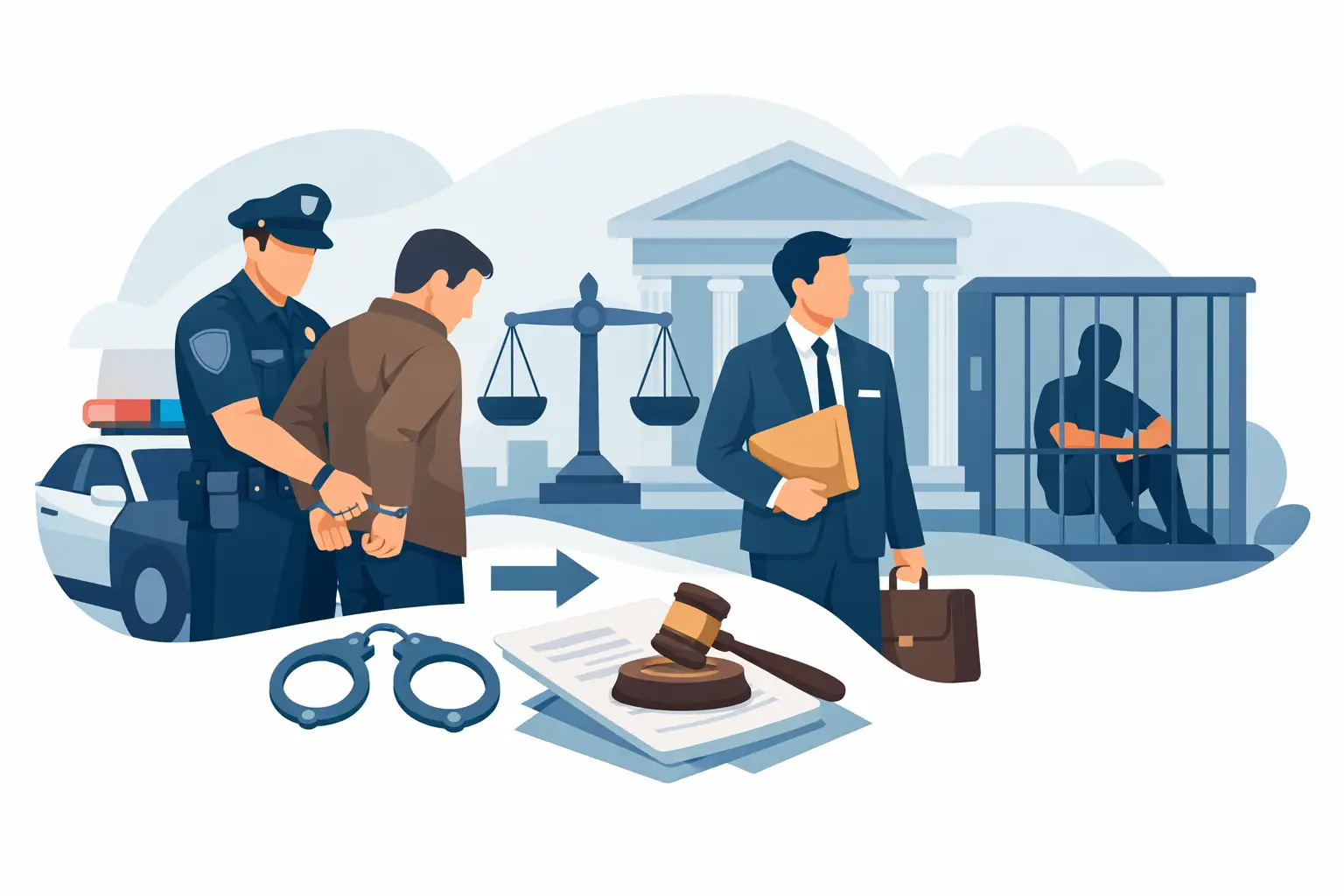
A police charge can make everything feel urgent at once. If you are wondering what happens after police charge, the short answer is that your matter moves into the criminal court process, and the decisions made early can affect the outcome in a very real way.
For many people, the hardest part is not knowing what comes next. You may have been given paperwork by police, released on bail, kept in custody for a court appearance, or told to attend court on a future date. Each situation is different, but the process usually follows a recognisable path in New South Wales.
What happens after police charge in NSW
After police charge someone, they must decide whether that person is released or kept in custody. In some matters, police grant bail at the station with conditions attached. In others, they refuse bail and the accused is taken before a court as soon as possible so a magistrate can decide whether bail should be granted.
You will usually receive court documents that set out the charges, the date of your first appearance, and any bail conditions. Those conditions might limit where you can go, who you can contact, whether you can drive, or whether you need to report to a police station. It is essential to follow them carefully. Breaching bail can lead to further charges and make the court less likely to trust you later.
At this stage, police also begin formalising the evidence. That can include witness statements, CCTV, photographs, admissions, forensic material, and any police facts they say support the charge. The prosecution is required to serve the evidence in line with court procedure, but timing can vary depending on the seriousness and complexity of the case.
Your first court date
The first mention is often brief, but it matters. The court usually wants to know whether you have legal representation, whether you have received the brief of evidence, and whether you are ready to enter a plea.
In many cases, you will not be expected to finalise everything on day one. If you have not had proper legal advice or the evidence has not yet been served, the matter may be adjourned. That gives your lawyer time to review the case, identify weaknesses in the prosecution evidence, and advise you on the best path forward.
If bail is an issue, that may be argued at the first appearance. This can be one of the most important early hearings, especially if you are in custody. The court will consider factors such as the seriousness of the allegation, your criminal history, ties to the community, and whether there is an unacceptable risk that you might fail to appear, commit another offence, or interfere with witnesses.
The prosecution brief and why it matters
One of the most important steps after being charged is obtaining and reviewing the prosecution brief. This is the material the police rely on to try to prove the case. It is not enough to assume the charge will simply proceed because police have laid it.
Sometimes the evidence is stronger than it first appears. Sometimes it is weaker. There may be contradictions in statements, issues with identification, missing footage, unlawfully obtained evidence, or a gap between the facts alleged and what the prosecution actually needs to prove.
This is where early legal advice is valuable. A lawyer can assess whether the charge is likely to be defended, whether representations should be made to police to withdraw or amend the charge, or whether a plea of guilty at an early stage may be the more practical option. It depends on the facts, the available evidence, and your broader circumstances.
Pleading guilty or not guilty
After charge, one of the key decisions is whether to plead guilty or not guilty. That decision should never be rushed simply to get the matter over with.
A guilty plea means accepting responsibility for the offence. The case then usually moves toward sentencing. In some matters, an early guilty plea can lead to a sentencing discount. But that does not mean pleading guilty is always the right choice. You should understand exactly what offence you are admitting, what the police facts say, and what penalty range may apply.
A not guilty plea means the matter is contested. Depending on the charge, the case may be listed for a hearing in the Local Court or, for more serious offences, move through a higher court process. Your lawyer may challenge the evidence, cross-examine witnesses, dispute admissions, or argue that the prosecution cannot prove the elements of the offence beyond reasonable doubt.
The right course depends on more than whether you feel you did something wrong. Legal defences, factual disputes, procedure, and evidence all matter.
What happens if you plead guilty
If you plead guilty, the court will sentence you either on the day or on a later date. Before sentencing, your lawyer may gather material to place you in the best possible position. This can include character references, evidence of employment, medical or psychological reports, proof of counselling or rehabilitation, and an apology or letter of remorse where appropriate.
The court does not look only at the charge itself. It also considers your background, whether this is your first offence, whether there were aggravating or mitigating features, and what steps you have taken since the incident.
Possible outcomes vary. In NSW, sentencing options can include a conditional release order, a fine, a community corrections order, an intensive corrections order, or full-time imprisonment. Some offences can also affect your licence, employment, travel, or immigration status. For that reason, the consequences of a guilty plea can extend well beyond the courtroom.
What happens if you plead not guilty
If you plead not guilty, the matter usually moves into a timetable for hearing. The court may set dates for service of evidence, legal argument, and witness attendance. In less serious matters, this process can be relatively contained. In more serious cases, it can take much longer.
Your lawyer will examine whether the prosecution can prove each part of the offence. That may involve reviewing body-worn footage, testing the reliability of witness accounts, considering whether any confession was lawfully obtained, or raising procedural issues about search, arrest, or seizure.
A defended hearing or trial is not simply about telling the court your side. It is about whether the prosecution can prove the case according to law. That distinction is critical. People sometimes assume they must prove their innocence, but in criminal matters the burden remains on the prosecution.
Bail conditions, AVOs and practical restrictions
After police charge someone, there may be restrictions that affect daily life immediately. Bail conditions can stop you from contacting certain people, going to certain places, possessing firearms, using drugs or alcohol, or leaving a particular address overnight.
In some matters, police may also apply for an Apprehended Violence Order, often called an AVO. This can happen alongside criminal charges, especially in domestic or personal violence matters. Even where the criminal charge is later withdrawn or changed, the AVO process may continue separately. That catches many people by surprise.
These restrictions can have flow-on effects for parenting arrangements, work, housing, and immigration issues. If your matter touches more than one area of law, coordinated legal advice becomes even more important.
Why early legal advice can change the outcome
People often wait until the court date to seek help. In practice, some of the best opportunities to improve a case arise much earlier. A lawyer may be able to seek variations to bail, make representations to police, identify evidentiary problems, or guide you on what not to say and do while the case is ongoing.
Early advice can also help you avoid preventable mistakes. Contacting a complainant in breach of bail, posting about the matter online, missing a court date, or speaking to police without understanding the risks can all make a difficult situation worse.
For clients across Bankstown, Lakemba and greater Sydney, clear advice at the beginning often provides something just as valuable as strategy - peace of mind. Knowing the process, the risks and the options allows you to make informed decisions instead of reacting under pressure.
What to do next
If you have been charged, focus first on the practical basics. Keep your court documents safe, follow every bail condition, attend court when required, and get legal advice before making decisions about plea or police interviews. If English is not your first language, make sure you have proper support so you fully understand the documents and process.
Criminal charges do not always end the way people fear in the first 24 hours. Some matters are withdrawn, some are negotiated, some are defended successfully, and some are resolved through careful preparation at sentencing. If you need guidance on what happens after police charge, getting tailored advice early can put you in a far stronger position and help you move forward with more confidence.