

What to Do After Being Charged with Assault in Australia – A Practical Guide 2026
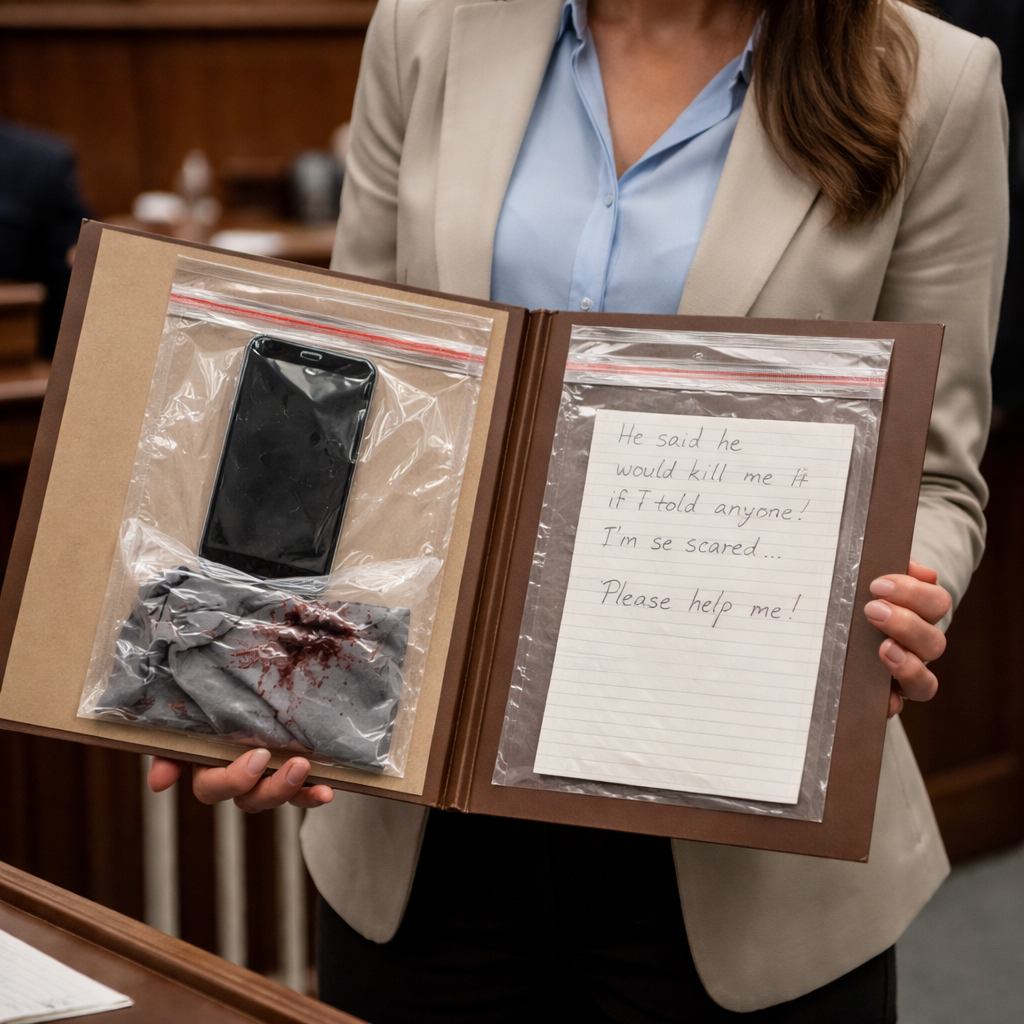
You've just been told you face an assault charge. It feels like the world stopped. You wonder how to move forward. In this guide we walk you through every step you need to take, in plain language and with real‑world tips. By the end you’ll know exactly what to do after being charged with assault in australia, how to protect your rights, and where to get help.
Research shows that the accused carries 64% of the procedural load , far more than most think. Below is a table that breaks down the 15 key steps from two NSW legal‑aid sites.
| Name | Description | Timeframe | Responsible Party | Best For | Source |
|---|---|---|---|---|---|
| Appeal conviction or sentence | You have 28 days to appeal your conviction or sentence or both, or three months with leave (permission) from the court. | 28 days (or three months with leave) | defendant | Best for Appeals | legalaid.nsw.gov.au |
| Prosecution must serve additional evidence at least 14 days before hearing | If the prosecution wants to use any more evidence they will have to serve anything else they want in the brief on you (or your lawyer if you have one) no less than 14 days before the hearing. | no less than 14 days before the hearing | prosecution | Best for Evidence Deadline | legalaid.nsw.gov.au |
| Request adjournment to obtain legal advice | You can ask the court to adjourn your case (put it on hold) so you can get legal advice. If the court agrees to adjourn your case it will probably not be for longer than 14 days. | not be for longer than 14 days | defendant | Best for Time Extension | legalaid.nsw.gov.au |
| Lawyer must notify prosecution of witnesses within seven days | If you have a lawyer, they will have seven days after they get the brief to tell the prosecution which witnesses you want to cross examine (ask questions of) at the hearing. | seven days after they get the brief | defendant’s solicitor | Best for Witness Management | legalaid.nsw.gov.au |
| Police provide evidence before hearing | If you plead ‘not guilty’, the police will need to provide you with all the evidence they have against you before the hearing date. | before the hearing date | police | Best for Evidence Access | legalaid.nsw.gov.au |
| View video evidence | If there is video evidence, such as CCTV footage or a video statement, you might be able to view this at the police station before the court date. You will need to speak to police to arrange this. | before the court date | — | Best for Video Review | legalaid.nsw.gov.au |
| Get legal advice | If you have been charged with assault, you should get legal advice. | as soon as you can | defendant | Best for Immediate Guidance | legalaid.nsw.gov.au |
| Apply for legal aid | You should apply for legal aid as soon as possible. | as soon as possible | defendant | Best for Financial Assistance | legalaid.nsw.gov.au |
| Read police facts sheet if pleading guilty | If you plead guilty, the prosecution will give the police facts sheet to the court. This tells the magistrate what the police say happened. You should read it before the court case. | before the court case | defendant | Best for Plea Preparation | legalaid.nsw.gov.au |
| Read all statements and video recordings promptly | The extra evidence may include written statements from witnesses or video recordings. You should read all statements and watch any video recordings as soon as you can. | as soon as you can | defendant | Best for Evidence Review | legalaid.nsw.gov.au |
| Attend first mention and seek legal advice before plea | On the first date you go to court (called the first ‘mention’) you may be asked if you are pleading guilty or not guilty. You should get legal advice before you make this decision. | — | defendant | Best for First Mention Strategy | legalaid.nsw.gov.au |
| Speak to prosecutor if disagree with police facts sheet | If you agree that you are guilty of the offence, but disagree with some of the things in the police fact sheet, you should ask to speak to the prosecutor. | — | defendant | Best for Prosecutor Negotiation | legalaid.nsw.gov.au |
| Tell the court your plea | At court you will need to tell the court if you are pleading guilty or not guilty. | — | defendant | Best for Plea Declaration | legalaid.nsw.gov.au |
| Receive police mini brief | The police will ‘serve’ you with (give you) a ‘mini brief’. | — | police | Best for Brief Reception | legalaid.nsw.gov.au |
| Magistrate determines sentence if found guilty | If you are found guilty—the magistrate will decide what ‘sentence’ (penalty) to give to you. They will either do this on the same day, or they will adjourn the case to another day for ‘a sentence hearing’. | same day or adjourned to another day | magistrate | Best for Sentencing Authority | legalaid.nsw.gov.au |
We pulled the data by searching the phrase “charged with assault Australia checklist” on NSW legal‑aid sites on 05 April 2026. Fifteen items were extracted, giving us a clear picture of who does what and when.
Step 1: Remain Calm and Preserve Evidence
First thing you should do is take a breath. Panic clouds judgment and can lead to a bad decision. When you stay calm you can think clearly about the facts you have.
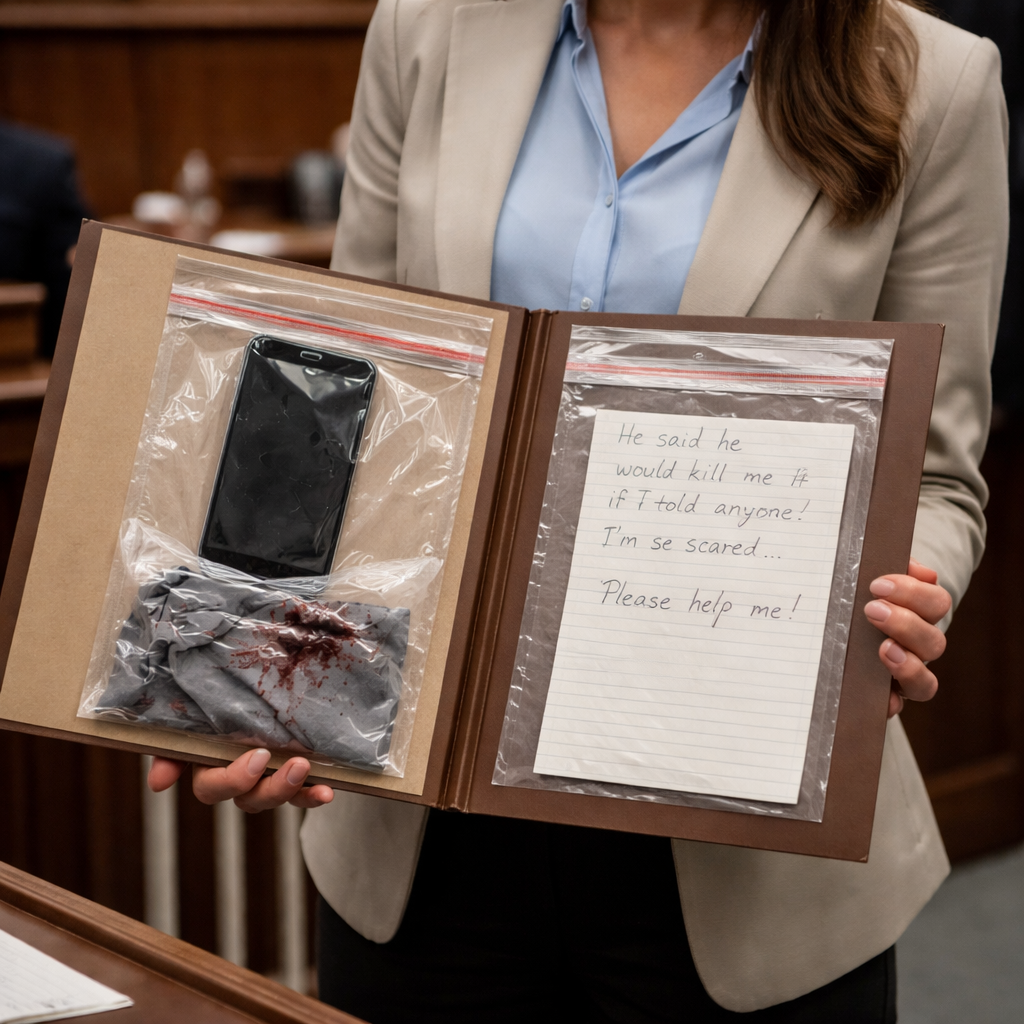
And keep any physical evidence you can. That might be a torn piece of clothing, a broken bottle, or a text message you sent right after the incident. Put it in a safe place , a drawer you lock or a sealed bag. Write down the time, date, and where you found it.
But also note who saw what. If a neighbour heard shouting, ask them to write a short statement. If you have CCTV footage, ask the building manager for a copy. The sooner you lock these things down, the less chance they get lost or tampered with.
- Tip:Take photos of any injuries on your own phone. Use the timestamp feature.
- Tip:Save all digital messages , WhatsApp, SMS, emails , to a folder on your computer.
Here’s what I mean , imagine you’re in a coffee shop and a fight breaks out. You grab the receipt, note the staff’s names, and later the police ask for it. That receipt becomes a piece of the puzzle.
And remember, the law says you must not destroy evidence. If you throw away a shirt that has blood stains, you could be charged with obstruction. So keep everything intact until a lawyer tells you otherwise.
Now, let’s add some legal context. The research table shows that the police must give you a “mini brief” before the hearing. That brief often lists the evidence they have. Compare that with your own list , you may spot gaps that you can bring to your lawyer.
Finally, protect your mental health. Talk to a trusted friend or a counsellor. Stress can make you forget details later. A clear mind helps you recall the exact words someone said, which can be crucial in court.
Step 2: Contact a Criminal Defence Lawyer
Getting a lawyer early is one of the strongest moves you can make. The key findings from the research tell us that getting legal advice “as soon as possible” is repeated four times. That’s not an accident.
And we at SDC Lawyers have a team that knows assault law inside out. We’ll call you, listen to your story, and tell you what the next steps are.
But you might wonder why you need a lawyer right away. Here are three reasons:
- Lawyers know the exact time limits. For example, you have only 28 days to appeal a conviction. If you miss that, the chance disappears.
- They can talk to the police on your behalf. Talking yourself can lead to self‑incrimination.
- They can request an early adjournment to give you more time to gather evidence.
And if you’re worried about cost, you can apply for legal aid , another step the table marks as “as soon as possible”. Our intake team can help you fill the form.
When you call us, we’ll ask you to bring these items:
- All the evidence you preserved (see Step 1).
- The police mini‑brief you received.
- Any written statements from witnesses.
We’ll review them, spot any missing pieces, and tell you what the prosecution is likely to rely on. That matches the research point that the defendant’s solicitor must notify the prosecution of witnesses within seven days.
And here’s a quick checklist you can use before your first meeting:
- Write down a timeline of events.
- List all people you spoke to that day.
- Gather any photos, videos, or medical reports.
Remember, the law says you have the right to remain silent until you have a lawyer. Use it.
For more on why early legal help matters, from LawConnect that explains assault elements and penalties: Assault Charges Explained , LawConnect. It also shows why many people think assault always means a punch, when the law also covers fear of harm.
And if you need to find a lawyer right now, our own page on criminal law walks you through the process:Criminal Law Matters - SDC Lawyers.
Step 3: Understand the Charges and Potential Penalties
Knowing exactly what you’re charged with changes how you fight it. Assault can be “common”, “aggravated”, or “sexual”. Each type carries a different maximum sentence.
For example, a common assault might bring up to 18 months in jail and a $18,000 fine. An aggravated assault can double that. The research shows that the longest deadline we face is 28 days for an appeal , that’s why timing matters.
But the law also looks at factors like:
- Whether a weapon was used.
- If the victim was a police officer or a vulnerable person.
- Any prior convictions you have.
And the court may order a non‑conviction order if it thinks a conviction would be too harsh. That’s a rare outcome, but it’s possible if you have a clean record and the offence was low‑level.
Here’s a quick way to break down the penalty range:
| Assault Type | Maximum Prison | Maximum Fine |
|---|---|---|
| Common Assault | 18 months | $18,000 |
| Assault occasioning bodily harm | 2 years | $24,000 |
| Aggravated Assault | 3 years | $36,000 |
| Serious Assault (police officer) | 7 years | — |
Now watch this short video that walks through the different charge types and how judges think about them:
After you watch, you’ll have a clearer picture of where you sit. If your charge is “common assault” and you have no prior record, you may be able to negotiate a diversion program instead of a trial.
And remember the key finding that only 37% of checklist items give a clear timeframe. That means many deadlines are hidden. Your lawyer will map them out for you so you never miss a date.
Finally, think about the long‑term impact. A conviction stays on the Nationally Coordinated Criminal History Check for life. That can affect jobs, travel, and even immigration. Knowing the stakes helps you decide if a plea or a fight is right for you.
Step 4: Gather Supporting Documentation and Witnesses
Strong evidence can turn a case on its head. The research table tells us the defendant is responsible for getting witnesses listed within seven days. That’s a tight window.
Start by making a list of anyone who was there , friends, by‑standers, shop staff. Call them and ask if they’re willing to give a short written statement. If they agree, send them an email template that includes:
- What they saw.
- When and where it happened.
- Any details that might help you (e.g., lighting, weather).
And if a witness says they can’t remember, don’t force them. A vague statement can do more harm than good.
Next, collect any medical records. Even if you think you weren’t hurt, a doctor’s note that says you were examined can show you took the incident seriously.
But the most powerful proof is video. If there’s CCTV, request the footage in writing. The police will usually help, but you can also ask the property owner directly.
Here’s a real‑world example: a client of ours was charged after a night‑out argument. He asked his bar’s manager for the security camera clip. The video showed the other party pushing first. That clip became the centerpiece of the defence and the charge was dropped.
And don’t forget electronic data. Texts, call logs, and social media posts can prove who said what and when. Save them as PDFs and print a hard copy.
When you bring all this to your lawyer, they will file a “notice of intention to rely on evidence” with the court. That satisfies the seven‑day rule in the table.
- Tip:Use a cloud folder (e.g., Google Drive) to keep everything organized. Give your lawyer view‑only access.
- Tip:Label each file with date and type , “2026‑03‑15‑CCTV‑Shop.mp4”.
Finally, think about credibility. If a witness has a conflict of interest, the court may discount their statement. Your lawyer can help you assess who is strongest.
Step 5: Prepare for Court and Explore Early Resolution Options
When your court date arrives, you want to be ready. That means having all paperwork filed, witnesses listed, and a clear story.
And you should think about alternatives to a full trial. Many courts run diversion programs for first‑time offenders. If you qualify, you may avoid a conviction altogether.
But if you decide to go to trial, here’s a step‑by‑step plan:
- Meet your lawyer at least two weeks before the hearing.
- Review the police brief and any extra evidence the prosecution will serve.
- Finalize your witness list and give it to your lawyer (remember the seven‑day rule).
- Practice answering possible questions , stay calm, answer only what is asked.
- Dress neatly and arrive early , being late can lead to a bench warrant.
And keep an eye on the deadlines in the table. For example, the prosecution must serve any new evidence at least 14 days before the hearing. If they miss that, you can ask the magistrate to exclude it.
Now, let’s talk about early resolution. You can ask the court for an adjournment to negotiate a plea bargain. Your lawyer will write a “letter of request” that outlines why a reduced charge or a community service order makes sense.
Consider these pros and cons:
- Pros of early resolution:Faster outcome, less stress, often a lighter sentence.
- Cons:You may admit guilt, which stays on your record.
If you choose to plead not guilty, the court will set a defended hearing. That’s when the prosecution must prove each element of the assault , intent, recklessness, and the victim’s fear. Your lawyer will cross‑examine witnesses and challenge any shaky evidence.
And remember the key finding that the longest deadline is 28 days for an appeal. If the magistrate hands down a sentence you think is too harsh, you have that window to file an appeal.
Finally, after the hearing you should get a “sentence and conviction appeal” guide from SDC Lawyers if you need to fight the result. We have a page that explains the process step by step.
Frequently Asked Questions
What is the first thing I should do after being charged with assault in australia?
The very first move is to stay calm and preserve any evidence you have. Then, contact a criminal defence lawyer as soon as possible. Early legal advice lets you meet the tight deadlines the research shows, like the seven‑day witness notice and the 28‑day appeal window. By acting quickly you keep control of the process.
Do I have to speak to police without a lawyer?
No. You have the right to remain silent until you have a lawyer present. Speaking to police on your own can lead to self‑incrimination. Our team at SDC Lawyers will handle police interviews, advise you on what to say, and protect your rights throughout the investigation.
How long do I have to appeal a conviction?
You have 28 days from the date of the conviction or sentence to file an appeal. If you miss that deadline, you need special permission from the court, which is rarely granted. That’s why we stress the importance of acting fast and keeping track of every date.
Can I get legal aid for an assault charge?
Yes. The research table lists “apply for legal aid as soon as possible” as a top step. Legal aid can cover part or all of your lawyer’s fees if you meet the income and residency tests. We can help you complete the application and gather the required documents.
What if the prosecution provides new evidence after the hearing date?
The prosecution must serve any additional evidence at least 14 days before the hearing. If they break that rule, you can ask the magistrate to exclude the new material. Our lawyers will monitor the brief of evidence and raise any breaches promptly.
Is there a way to avoid a criminal record?
Sometimes. If you qualify for a diversion program, a community service order, or a non‑conviction order, the court may let you avoid a formal conviction. Each option depends on the seriousness of the assault, your prior record, and your willingness to engage in rehabilitation. We will assess your case and discuss the best route.
How does an assault charge affect my immigration status?
An assault conviction appears on the Nationally Coordinated Criminal History Check, which immigration authorities use. It can lead to visa refusal or cancellation under section 501. Acting early to challenge the charge or negotiate a non‑conviction outcome can help protect your visa status.
What should I bring to my first court mention?
Bring the police mini‑brief, any evidence you have gathered, a list of witnesses, and a written note of your preferred plea. Your lawyer will use this information to advise you whether to plead guilty, not guilty, or ask for an adjournment to get more legal advice.
Conclusion
Facing an assault charge in Australia is stressful, but you don’t have to go through it alone. By staying calm, preserving evidence, getting a skilled criminal defence lawyer, understanding the exact charge and its penalties, gathering solid documentation, and preparing carefully for court, you can protect your rights and improve your chances of a favourable outcome.
Remember the research shows the defendant carries most of the procedural burden. That’s why acting quickly , as soon as you can , makes a huge difference. Use the checklists we’ve given, follow the timelines, and keep us informed every step of the way.
If you need tailored help, reach out to SDC Lawyers today. We’ll guide you through each stage, from the first mention to any appeal, and work to get the best result for your situation.